
If you’re getting ready to move out of a rental in Geelong, the final inspection is usually the moment that decides whether you get your full bond back or lose part of it to cleaning or repair deductions. Property managers in Victoria don’t just glance around the property; they work through a fairly consistent checklist, and knowing what’s on it in advance can save you a lot of stress (and money).
Here’s exactly what they’re looking for.
Why the Final Inspection Matters
Under the Residential Tenancies Act 1997 (Victoria), tenants are required to return a rental property in a “reasonably clean” condition, not necessarily spotless, but close to how it was documented at the start of the tenancy. That starting point is your Entry Condition Report, and it’s the main document property managers compare against during the final walkthrough.
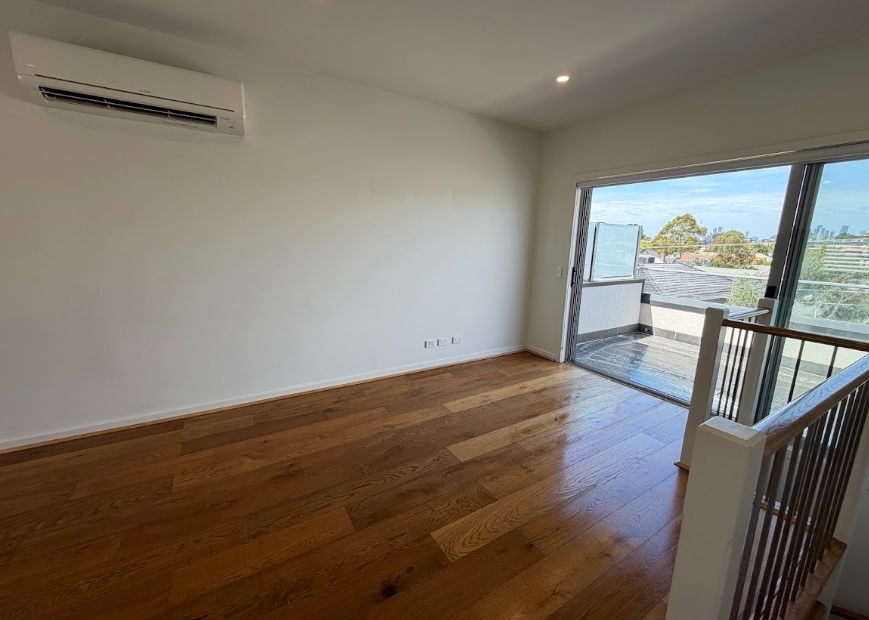
Any difference between the entry report and the final inspection can become a talking point, and potentially a bond deduction.
What Property Managers Actually Check, Room by Room
Kitchen
This is usually the most scrutinised room in the property. Expect a close look at:
- Oven interior, racks, and grill tray for baked-on grease
- Rangehood filters for grease buildup
- Stovetop and splashback for stains
- Inside cupboards and drawers for crumbs, spills, or lining residue
- Sink and tapware for limescale or soap scum
Bathroom
- Grout and tile lines for mould or soap scum
- Shower screens and glass for water spots
- Toilet, vanity, and mirrors for general hygiene
- Exhaust fans for dust buildup
Living Areas & Bedrooms
- Carpets for stains, odours, and general wear (property managers can usually tell the difference between fair wear and a genuine stain)
- Skirting boards and window tracks, commonly missed during a rushed clean
- Light fittings and ceiling fans for dust
- Walls for marks, scuffs, or unpatched nail holes
Windows & Doors
- Tracks and sills, not just the glass
- Flyscreens for dust and damage
- Sliding door tracks, which collect dirt quickly and are easy to overlook
Outdoor Areas (if applicable)
- Garage floors for oil stains
- Balconies and courtyards for general tidiness
- Bins, left empty and clean
Fair Wear and Tear vs. Damage
Not everything a property manager notes will actually cost you money. Victorian tenancy law draws a distinction between fair wear and tear (expected deterioration from normal living, like slightly faded paint or worn carpet in high-traffic areas) and actual damage (stains, burns, holes, or neglect). Only the latter is typically something a landlord can claim against your bond, cleaning aside. This is a nuanced area, and it’s worth understanding before you dispute (or accept) any proposed deduction.
What Happens If the Property Manager Finds Issues
If something doesn’t meet the standard, you’ll usually be given the chance to fix it before the bond is finalised. This might mean a re-clean of a specific area, rather than an automatic deduction. That’s why timing matters. Booking your clean with enough buffer before the actual handover date gives you room to address anything flagged, rather than losing part of your bond by default.
How to Walk Into Your Inspection with Confidence
The property managers who work across Geelong, Belmont, Highton, Grovedale, and Waurn Ponds tend to apply these standards fairly consistently, since they’re all working from the same Entry Condition Report framework. A few things that make the biggest difference:
- Compare your unit against the original Entry Condition Report before you clean, not after
- Pay special attention to the areas above that are easy to miss: window tracks, skirting boards, exhaust fans
- If carpets show visible staining, factor in carpet steam cleaning rather than just vacuuming
- Don’t leave oven and rangehood degreasing until the last hour. It’s the task that most often gets rushed
Still weighing up whether to tackle it yourself? Our DIY vs professional cleaning comparison breaks down where self-cleans typically fall short at inspection.
If you’d rather not risk it, this is exactly the gap a professional end of lease clean is designed to close. The checklist above is essentially the standard our team works through on every job, so nothing gets missed at inspection.
FAQ
Does the property manager check every single room?
Yes. The final inspection typically covers every room listed on the Entry Condition Report, including storage areas like garages and linen cupboards.
What if I disagree with something they flag?
You can raise it directly, and if needed, disputes over bond deductions can be taken to Consumer Affairs Victoria or VCAT. Most issues are resolved before it gets that far.
Is professional cleaning required by law?
No. The legal requirement is “reasonably clean,” not professionally cleaned. In practice, though, many tenants find professional cleaning is the most reliable way to meet that standard, especially for ovens and carpets.
How long does a final inspection usually take?
Typically 15 to 30 minutes for a standard property, though it can be longer for larger homes.